
Gambling in Films - Behind the Glamour
3 min read
There’s something undeniably compelling about watching someone risk everything. Gambling films have long drawn audiences into worlds of high stakes, capturing the attention of viewers through the tantalising possibility of winning big. Much of this appeal comes from how cinema shapes gambling into something larger than life, where luck feels controllable and outcomes feel just out of reach. Unfortunately, this can create a very surface-level, stylised illusion that overlooks the more damaging reality of gambling.
This tension is reflected in the way gambling is portrayed on screen. Some films lean heavily into glamour and control, presenting gambling as effortless, stylish and almost instinctive, while others strip this away to show the more destructive reality of addiction that the surface appeal often masks.
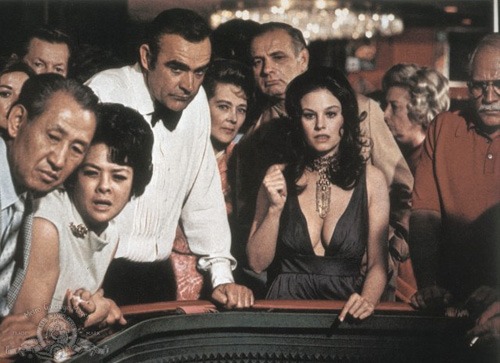
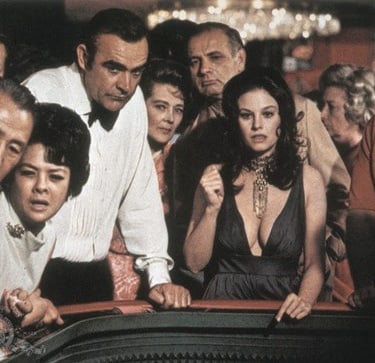
This idealised version of gambling is perhaps most clearly embodied in the figure of James Bond at the casino. In 1971, Diamonds Are Forever features James Bond approaching the craps table with complete confidence. He quickly attracts the attention of an alluring woman at the table, and after nonchalantly placing large bets and winning with ease, she attempts to further accompany him for a drink. This scene is less about the risk of the gambling itself, and more about what it represents for Bond’s character. He is not just winning money, he’s winning status, interest, power and the illusion of mastery.
This same glamourised portrayal of gambling can be seen across a range of modern and classic films. In the 2017 film Molly’s Game, Molly Bloom runs one of the world’s most exclusive high-stakes poker games, presenting the world of poker as reliant on intelligence and strategy, emphasising charisma and control within an exclusive and elite environment. Similarly, in Casino, gambling is embedded within a world of wealth, where success is measured through power and influence as much as money.
Casino also acknowledges the darker machinery behind this world, summed up in Rothstein’s narration, “In the casino, the cardinal rule is to keep them playing and to keep them coming back. The longer they play, the more they lose, and in the end, we get it all”. This points to the reality of a damaging system in place, one that exploits vulnerable individuals through this illusion of glamour and wealth.
Other films reject this sense of control all together, choosing instead to focus on the individual experience of addiction and its consequences. The classic 1974 film, The Gambler, is a perfect example of this, portraying the self-destructive tendencies that can emerge from a gambling addiction. The film follows Axel Freed as he uses gambling as a vessel to feed his psychological compulsion to seek risk and adrenaline. Over time, his addiction begins to shape and intensify his self-hatred, ultimately becoming a form of subconscious self-destruction.
While these films explore and portray addiction in different ways, they all point towards a deeper truth behind gambling that is often hidden beneath its more glamorous portrayals. Stray Dog builds on this, but shifts the focus towards a more grounded and contemporary form of storytelling.
Rather than framing gambling through stylised environments, Stray Dog explores it through gritty social and emotional realism. It goes beyond the everyday impacts of addiction, to also explore the strain it can place on relationships, the loss of identity, and how the repetitive nature of gambling can lead someone to risk everything they have left.
In doing so, Stray Dog steps away from gambling as entertainment, instead presenting it as an addiction that is lived, ordinary and uncomfortably real.
Image of James Bond and Plenty O’Toole at the craps table