James Ward - A Director Shaped by Place and Perspective
2 min read
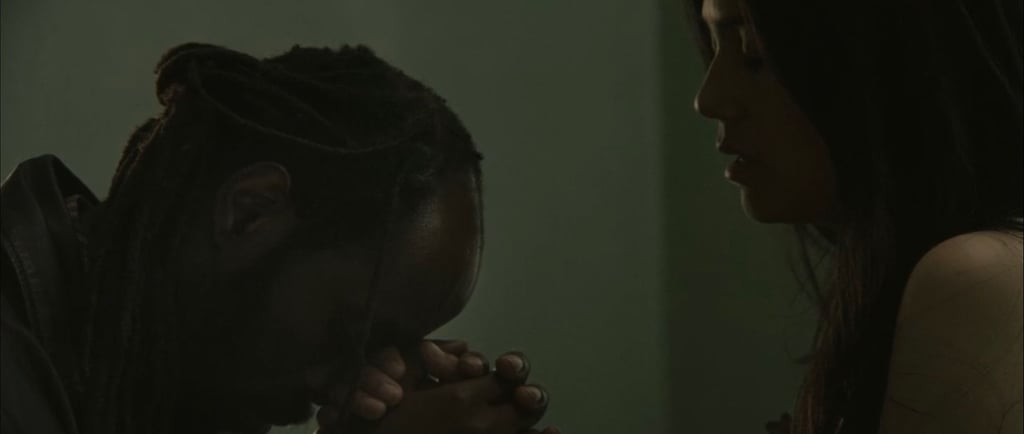
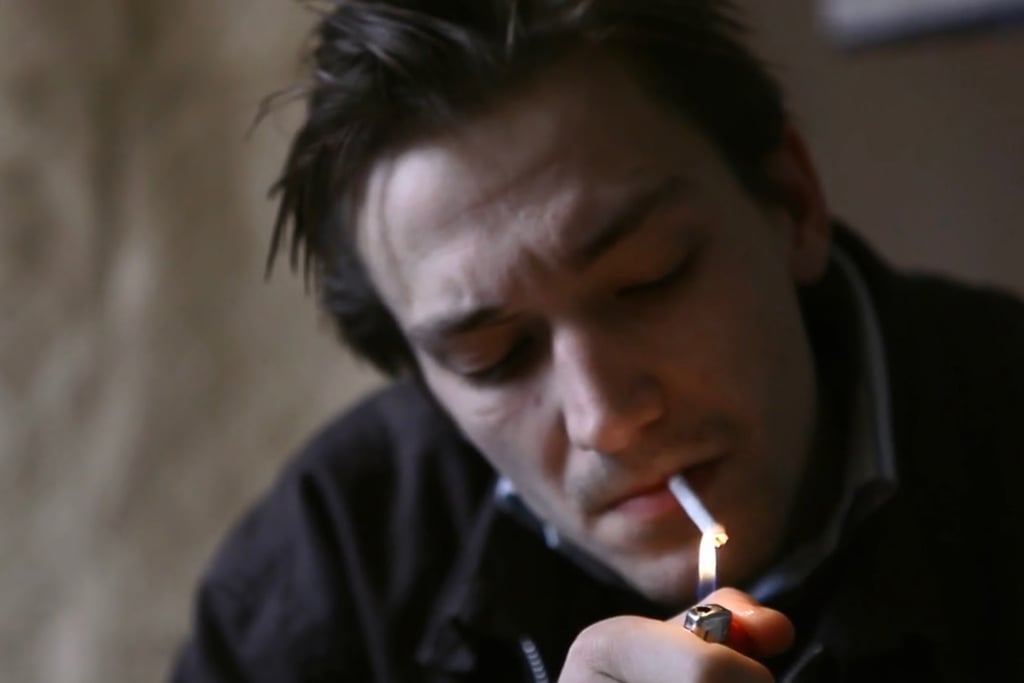
My post contentStray Dog marks a significant moment for director James Ward, not only as his first feature film, but as a project deeply rooted in his personal history and surroundings. Shot at Wimbledon Greyhound Stadium not long before its demolition, Stray Dog captures a world that no longer exists, shaped by memory, a real community and true British culture.
That sense of authenticity can be traced back through James’ creative journey. Before stepping behind the camera, James began his film career as an actor in the BBC Children’s TV production, Station Jim. Immersed in the world of storytelling, Ward studied Drama and Theatre at Goldsmiths University, developing a strong understanding of performance as a means of revealing emotional truth. His exploration of both classical and alternative approaches to directing, combined within a strong drive for authenticity, helped him refine a directing style that blends performance-led storytelling with a strong sense of realism.
Across a series of short films, James began to establish a clear voice. Projects such as Faith Jones, a crime-thriller, alongside Mugged and Wepawaug, reflect his interest in gritty realism, often rooted in authentic South London perspectives that he can personally relate to. Ward’s work also draws influence from American independent cinema, particularly John Cassavetes, best known for directing intensely deeply intimate films such as A Woman Under The Influence (1974) or The Killing of a Chinese Bookie (1976).
“You’re doing a bad job if all you’re paying attention to is camera angles… You end up making a film that is all tricks with no people in it, no knowledge of life. There is nothing left for the actor to bring to it since there is no sense, meaning, or understanding of people” - Cassavetes
Cassavetes found real beauty in capturing an actor’s emotion and feeling in a scene, rather than a perfect angle or lighting. This raw, actor-centric approach is exactly what inspired James, and remains central to his filmmaking style.
The origins of Stray Dog can be found in an earlier concept film, originally titled Idle Hands. Growing up less than a mile away from Wimbledon Greyhound Stadium, Ward felt a strong connection to the community of the track, and after hearing the news of its demolition, he decided to create a film that would not only tell an intimate story of addiction and struggle, but preserve a space that helped shape his perspective as a filmmaker.
In this way, Stray Dog becomes more than a debut feature. It is the result of a creative journey defined by performance, place, and a commitment to portraying lived experience with honesty and realism