Wimbledon Greyhound Stadium: A Lost London Landmark
2 min read
My post contentFor our director, James Ward, Wimbledon Greyhound Stadium was never just a landmark. Growing up less than a mile away, the track became a constant presence, part of the rhythm of everyday life and closely tied to his family’s background in dog and horse handling. Long before Stray Dog, it was simply something familiar.
This familiarity was shared by thousands.
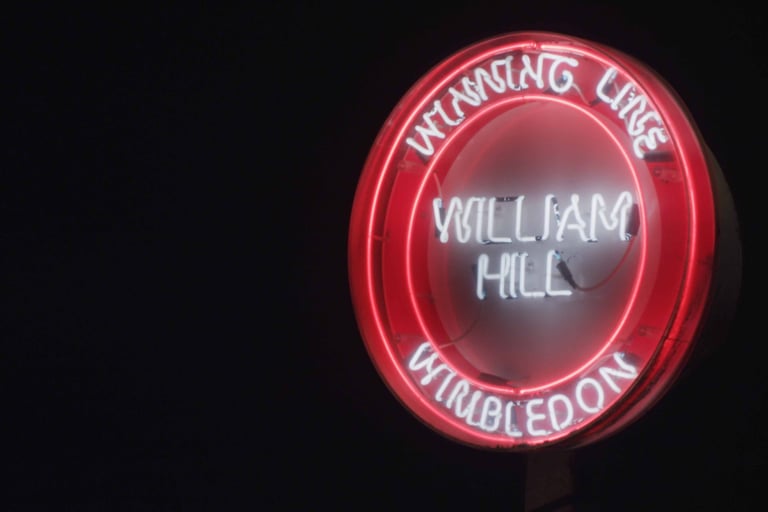
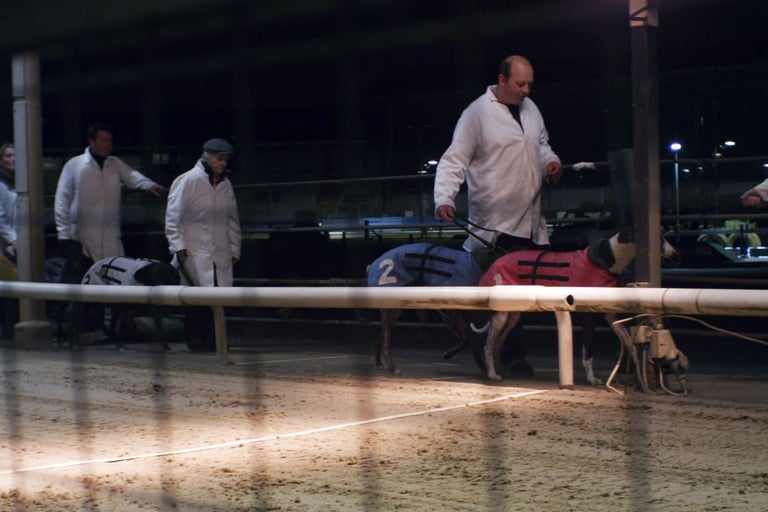
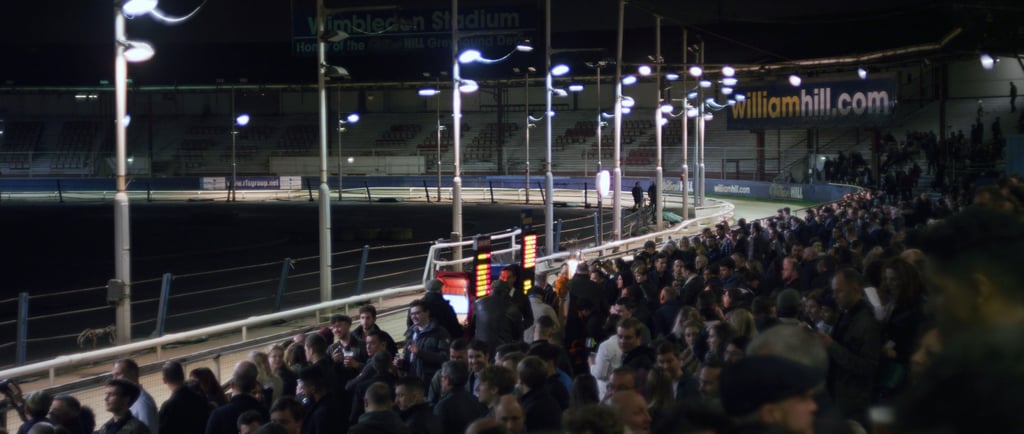
Opened in 1928, the stadium quickly became one of Britain’s most prominent greyhound racing venues, with a brick-fronted grandstand seating 8000, alongside various executive suites and bars. Wimbledon became more than just a sporting venue. It was a social space, woven into the fabric of the local community. People came not only for the racing, but for the atmosphere, the sense of occasion, and the shared experience of being part of something collective. The stadium offered a sense of routine and belonging, bringing people together from different backgrounds, generations and parts of the city.
For decades, the stadium hosted major events, including the Greyhound Derby, St Leger and Champion Hurdle, standing as one of the last remaining icons of a once-thriving industry. However, as time passed, its place in modern London became increasingly uncertain.
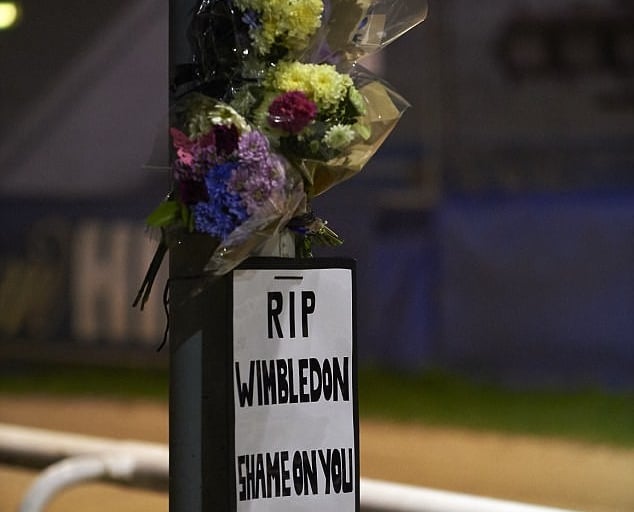
In its final years, there were attempts to save it. Former chairman of the Irish Greyhound Board, Paschal Taggart, put forward plans worth £100 million to rebuild the stadium to be on par with Royal Ascot, while campaigners, including the ‘Save Wimbledon Stadium Action Group’, pushed for the venue to be granted listed status by Historic England. These efforts reflected how much the stadium meant to its community, but despite this resistance, it was ultimately demolished in 2017.
When the stadium closed, it marked the end of an era. What had once been a site of energy and connection quickly became part of the past.
When its closure was announced, the sense of loss became a driving force behind the film for our director, James. Filming at Wimbledon became a way of capturing the space in its final chapter, preserving its atmosphere at a moment when it was on the verge of disappearing.
Stray Dog follows Pinky’s story, a man consumed by his gambling addiction. But his story doesn’t exist in isolation. Around him is a wider community of regulars, workers and spectators, each connected to the track in their own way. Together they reflect the social fabric that made Wimbledon more than just a venue.
The stadium was more than just a film set for James. It became a way of capturing both sides of that world: the pull of risk and addiction, and the sense of belonging that the stadium once offered. As the last film to be shot at Wimbledon Greyhound Stadium, Stray Dog allows the stadium to continue to exist beyond its physical form, preserving the lasting imprint of a place that once brought people together.